
Exploring the cultural influence of casinos on modern society
The Historical Context of Casinos
Casinos have deep historical roots, tracing back to ancient civilizations where games of chance were often part of social and religious rituals. In places like ancient Rome, gambling was not only a pastime but also a means of social engagement among citizens. The evolution of casinos from simple game houses to lavish resorts reflects not just changes in gambling practices but also shifts in societal values regarding risk, entertainment, and economic prosperity. Players can explore further at https://chicken-roadgame.uk/ to enjoy the exciting challenges that modern casinos offer.
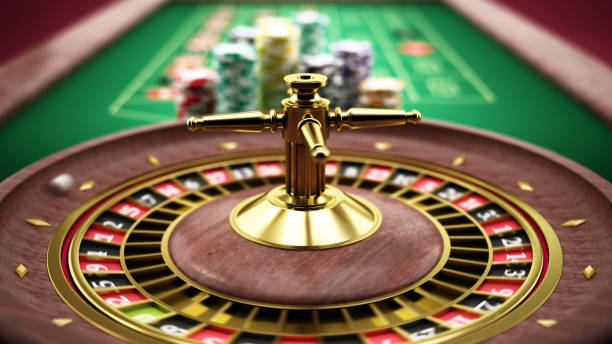
During the 20th century, particularly in the United States, casinos began to emerge as significant cultural hubs. The glitzy lights and vibrant atmospheres of Las Vegas and Atlantic City encapsulated the American Dream, attracting millions seeking excitement and fortune. This transformation played a pivotal role in altering the perception of gambling from a taboo activity to an accepted form of entertainment, intertwining casinos with American culture in profound ways.
Moreover, the proliferation of casinos in different cultural contexts highlights how societies adapt gambling to fit their local customs and beliefs. For instance, in some Asian cultures, gambling is intricately linked to familial bonds and collective celebrations, showcasing how cultural values shape gambling behaviors. As the casino industry continues to expand globally, the interplay between tradition and modernity becomes increasingly evident.
Psychological Aspects of Gambling
The psychological allure of gambling is a critical element in understanding the cultural influence of casinos. The thrill of risk-taking and the possibility of winning can evoke strong emotional responses, creating a compelling experience for players. This psychological aspect is often amplified in casino environments designed to enhance sensory stimulation through lights, sounds, and decor, captivating the attention of visitors and creating a captivating atmosphere.
Research has shown that the design and layout of casinos play a significant role in shaping gambling behaviors. For example, the absence of clocks and windows creates a timeless environment, leading players to lose track of time and become immersed in the experience. This manipulation of space and time reflects broader psychological principles, illustrating how environments can influence decision-making and risk perception.
Furthermore, the social aspect of gambling cannot be overlooked. Many people view casinos as social venues where they can gather with friends or meet new people. This social dimension adds another layer to the cultural significance of casinos, as they often serve as community hubs that facilitate social interaction, bonding, and the creation of shared memories, thereby reinforcing their importance in modern society.
The Economic Impact of Casinos
Casinos play a substantial role in economic development, particularly in regions where they are established. They create job opportunities, boost tourism, and generate significant tax revenue for local governments. For many municipalities, casinos are seen as a means to stimulate economic growth, revitalizing areas that may have struggled financially. This economic influx can lead to improved infrastructure and services, benefiting the broader community.
Additionally, the presence of casinos often leads to the development of ancillary businesses, such as hotels, restaurants, and entertainment venues. This interconnectedness creates a ripple effect in the local economy, further emphasizing the cultural influence of casinos as they become integral parts of the local landscape. The transformation of a city into a casino destination often results in enhanced cultural offerings and attractions that draw even more visitors.
However, the economic benefits of casinos come with challenges, such as potential increases in crime and gambling addiction. While they can foster economic prosperity, communities must also navigate the social consequences of gambling. This duality highlights the complex relationship between casinos and society, necessitating a balanced approach to harnessing their benefits while mitigating negative impacts.
Casinos in Popular Culture
Casinos have made significant inroads into popular culture, influencing everything from film and literature to music and art. Movies such as „Casino” and „Ocean’s Eleven” romanticize the casino experience, portraying them as glamorous and exciting venues where fortunes are won and lost in the blink of an eye. This representation not only reflects societal fascination with gambling but also shapes public perception, often glamorizing the lifestyle associated with high-stakes gambling.
Furthermore, the portrayal of casinos in literature and visual arts often serves as a metaphor for broader themes of chance, risk, and the human experience. Authors and artists frequently explore the psychological dimensions of gambling, examining how it intertwines with identity, desire, and societal norms. This artistic exploration enriches the cultural dialogue surrounding casinos, allowing for a deeper understanding of their significance in modern life.
As gaming technologies evolve, digital casinos and online gambling platforms are emerging as new cultural phenomena. These platforms reflect changing attitudes towards gambling, incorporating elements of social media and interactivity that appeal to younger generations. This shift indicates that casinos will continue to adapt and influence culture, making them a dynamic part of our societal landscape.

Conclusion: The Future of Casinos in Society
The future of casinos in modern society is poised for continued evolution as they adapt to changing cultural, technological, and economic landscapes. As they embrace advancements in technology, such as virtual reality and mobile gaming, casinos are likely to create more immersive experiences, further blurring the lines between physical and digital gambling environments. This innovation not only enhances entertainment options but also raises questions about regulation and responsible gambling.
Moreover, as societal attitudes towards gambling continue to evolve, the cultural narrative surrounding casinos will undoubtedly shift. Increased awareness of gambling addiction and its societal impacts will necessitate a more nuanced conversation about the role of casinos. Balancing the benefits they provide with the potential risks will be crucial in shaping the future of this industry.
As we continue to explore the cultural influence of casinos, it is essential to recognize their multifaceted role in modern society. From their historical roots to their economic implications and cultural portrayals, casinos are more than mere places of gambling; they reflect broader societal values and challenges. Understanding this influence can help us navigate the complexities of the gambling world and its impact on our lives.